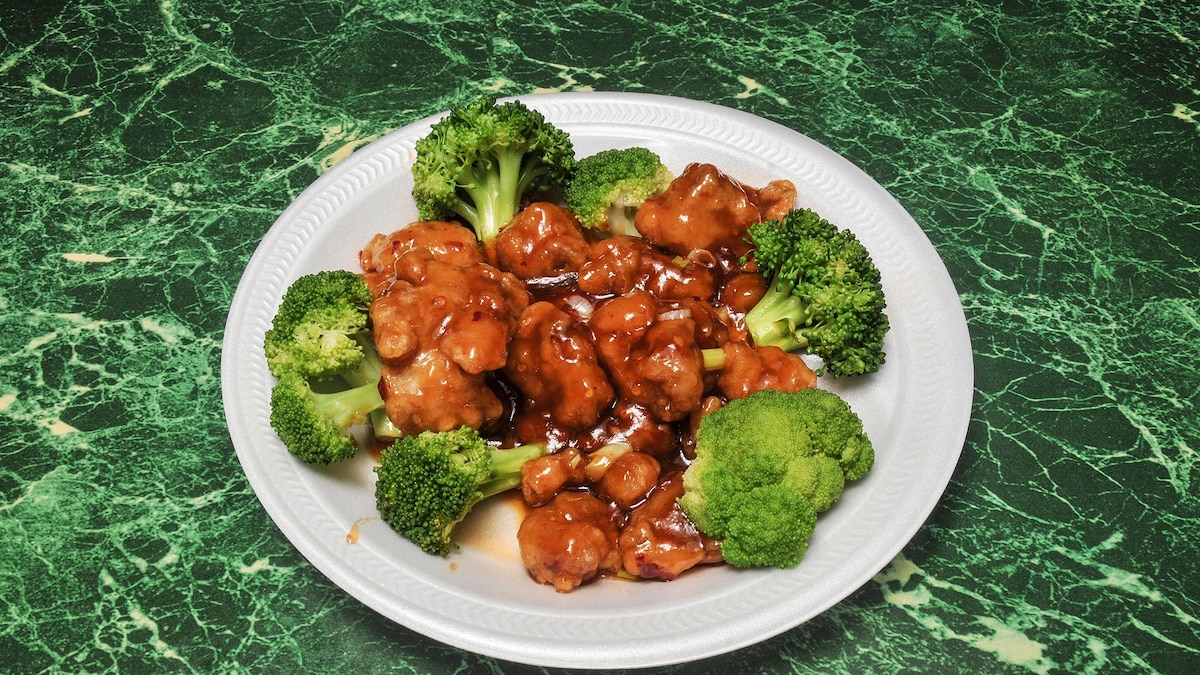
Ah, General Tso's Chicken – the ubiquitous, sweet, tangy, and subtly spicy deep-fried chicken dish that graces countless Chinese-American restaurant menus across the globe. For many, it's the quintessential order, a culinary comfort that defines "Chinese food" in the Western imagination. Yet, beneath its glossy, irresistible exterior lies a fascinating narrative, a tale of mistaken identity, culinary innovation, and cross-cultural evolution. Far from being a centuries-old Chinese classic, this beloved dish is a relatively modern invention with surprising origins that challenge many preconceived notions.
The Culinary Enigma: Who Was General Tso, Really?
The very name of the dish, General Tso's Chicken, evokes images of ancient imperial banquets or a dish crafted for a storied military figure. Indeed, the "General Tso" in question is Zuo Zongtang (1812–1885), a revered 19th-century Qing Dynasty general from Hunan province. Known for his significant military campaigns and contributions to China, General Zuo was a formidable historical figure whose legacy is undeniably impressive. However, this is where the historical connection between the general and the chicken dish abruptly ends.
Contrary to popular belief, General Zuo Zongtang himself never tasted, commissioned, or even knew of the dish bearing his name. Furthermore, traditional Hunan cuisine, Zuo's native province, is celebrated for its dry, spicy, and often savory profiles, bearing little resemblance to the sweet and saucy concoction we know today. The truth, as it often is, is far more intriguing and points to a singular moment of culinary genius in the mid-20th century.
The actual inventor of General Tso's Chicken was none other than Chef Peng Chang-kuei. A native of Hunan who fled to Taiwan during the Chinese Civil War, Chef Peng was a culinary master. In 1955, while preparing a banquet for a visiting American military official, Admiral Arthur W. Radford, Chef Peng improvised a new dish. He took inspiration from Hunanese flavors but adapted them to create something distinctively different – a sweet, tangy, and slightly spicy preparation of deep-fried chicken. He named it "General Tso's Chicken" in a nod to his Hunanese heritage, honoring a provincial hero. Little did he know, this dish would become a global sensation, albeit one that would take on a life of its own.
From Taiwanese Banquet to American Takeout Icon
Chef Peng Chang-kuei's creation in Taiwan marked the birth of General Tso's Chicken, but its journey to becoming a beloved fixture in the American culinary landscape is another chapter entirely. The dish gained widespread popularity in the United States during the 1970s, largely thanks to Chef Peng himself, who opened a restaurant in New York City, and his apprentice, Chef T.T. Wang. Wang, in particular, adapted the recipe, making it sweeter and more accessible to American palates, a change that proved immensely successful. This adaptation cemented the dish's status as a Chinese-American invention, a delightful fusion that resonated deeply with diners across the nation.
The speed with which General Tso's Chicken spread throughout American Chinese restaurants was remarkable. Its irresistible combination of crispy chicken and a captivating sauce made it an instant hit. However, this rapid proliferation also led to a wide spectrum of quality. As the dish became a takeout staple, many establishments opted for convenience over culinary integrity. The result was often an overly sugary, gloopy sauce, a mere shadow of its intended complexity, coating pieces of chicken that were more batter than poultry. This phenomenon created a stark contrast between a well-executed General Tso's and the mass-produced versions that sadly tarnished its reputation for some.
It's this very dichotomy that highlights the dish's unique identity. While authentic Chinese cuisine often remains distinct from its Americanized counterparts, General Tso's Chicken holds a special place. It's a dish that, while virtually unknown in mainland China, has become an indelible part of American food culture. Its story is a testament to immigration, adaptation, and the incredible power of food to transcend borders and create new traditions. To delve deeper into its American appeal, explore General Tso's Chicken: Why America Loves This 'Chinese' Classic.
What Makes a Great General Tso's Chicken? The Pursuit of Perfection
Despite the variations in quality, the enduring appeal of General Tso's Chicken is undeniable. When done right, it's an absolute masterpiece of flavor and texture. Many culinary enthusiasts, including seasoned chefs who grew up in Chinese restaurant kitchens, share a secret admiration for this "Americanized" classic. They understand that while it might not be traditionally Chinese, a properly prepared General Tso's is incredibly satisfying.
So, what sets a truly great General Tso's Chicken apart from its lesser imitations? It comes down to a few critical elements:
- The Chicken: It should be genuinely crispy on the outside, achieved through proper deep-frying, and juicy and tender on the inside. Dark meat chicken (thighs) is often preferred for its richer flavor and ability to remain moist during frying. The coating should be thin, light, and crunchy, not a thick, doughy shell.
- The Sauce: This is where the magic happens. A superior General Tso's sauce is a delicate balance of sweet, tangy, and subtly spicy. It's made with quality soy sauce, rice vinegar, a touch of sugar, and often dried red chilies for a nuanced heat. Crucially, it should be glossy and flavorful, never overly thick or syrupy from too much cornstarch. The sauce should cling to the chicken, not drown it.
- The Accompaniments: Fresh, vibrant broccoli is the traditional companion, adding a crucial element of freshness and a slight crunch that contrasts beautifully with the chicken and sauce.
The goal is a dish with intense, multi-layered flavors that burst on the palate, offering a delightful interplay of textures. This "restaurant-quality" version, as perfected by generations of professional chefs, demonstrates that General Tso's Chicken, when given the respect it deserves, transcends its "takeout" label and stands as a legitimately delicious culinary creation. Achieving this level of excellence at home is entirely possible, and it’s a rewarding culinary journey. For those ready to roll up their sleeves, you can learn more about Mastering General Tso's: Authentic Restaurant Flavor at Home.
Crafting Your Own Restaurant-Quality General Tso's: Tips for Success
Inspired by the rich history and delicious potential of General Tso's Chicken, many home cooks are eager to recreate this iconic dish. The good news is that with the right techniques and ingredients, you can achieve a restaurant-quality experience in your own kitchen. Here are some essential tips for success:
The Chicken: Crispiness is Key
- Choose Wisely: Opt for boneless, skinless dark meat chicken (thighs) for the best flavor and juiciness. Cut them into consistent, bite-sized pieces.
- Velveting for Tenderness: Marinate the chicken briefly in a mixture of soy sauce, rice wine, and a small amount of cornstarch. This technique, known as velveting, locks in moisture and ensures tenderness.
- Double-Frying for Maximum Crunch: This is the secret weapon! Fry the chicken once at a lower temperature to cook it through, then remove it from the oil. Increase the heat and fry it a second time for a shorter duration. This creates an incredibly crispy, light crust that holds up well to the sauce. Deep-frying, while a bit more effort, is truly the gold standard for authentic texture.
The Sauce: The Heart of the Dish
- Balance is Paramount: A great General Tso's sauce is a symphony of flavors. Start with a base of good quality soy sauce, rice vinegar, and a balanced amount of sugar.
- Aromatic Foundation: Don't skimp on fresh aromatics like minced garlic and grated ginger. These provide depth and complexity.
- Controlled Heat: Dried red chili peppers (such as whole Thai chilies or Sichuan chili flakes) are essential for that characteristic subtle heat. Adjust the quantity to your preference.
- Achieving the Right Consistency: Use a cornstarch slurry (cornstarch mixed with cold water) to thicken the sauce gradually. Add it slowly, stirring constantly, until you reach a glossy, spoon-coating consistency that isn't overly thick or gluey.
Bringing It All Together
- Fresh Broccoli: Steam or lightly blanch your broccoli florets until they are bright green and tender-crisp. Add them to the dish right at the end or serve them alongside.
- Quick Assembly: Once the chicken is fried and the sauce is ready, the final steps are quick. Toss the hot chicken in the warm sauce just before serving to maintain crispiness.
- Serve Immediately: General Tso's Chicken is best enjoyed fresh off the wok, paired with steamed white rice to soak up all that delicious sauce.
By focusing on these elements – quality ingredients, proper cooking techniques for the chicken, and a balanced, flavorful sauce – you can elevate your homemade General Tso's Chicken from a simple takeout imitation to a truly spectacular dish that honors its unique history and undeniable deliciousness.
The journey of General Tso's Chicken, from an improvised banquet dish in Taiwan to a global symbol of Chinese-American cuisine, is a testament to culinary evolution and cultural exchange. While it may not trace its roots to ancient dynastic kitchens, its appeal is undeniable when prepared with care and quality. Embracing its true origins allows us to appreciate it not just as a convenient takeout option, but as a dish with a rich, albeit modern, history and the potential for incredible flavor. So, next time you crave that iconic sweet, tangy, and spicy bite, remember the tale of Chef Peng, General Zuo, and the delicious legacy they inadvertently created.
