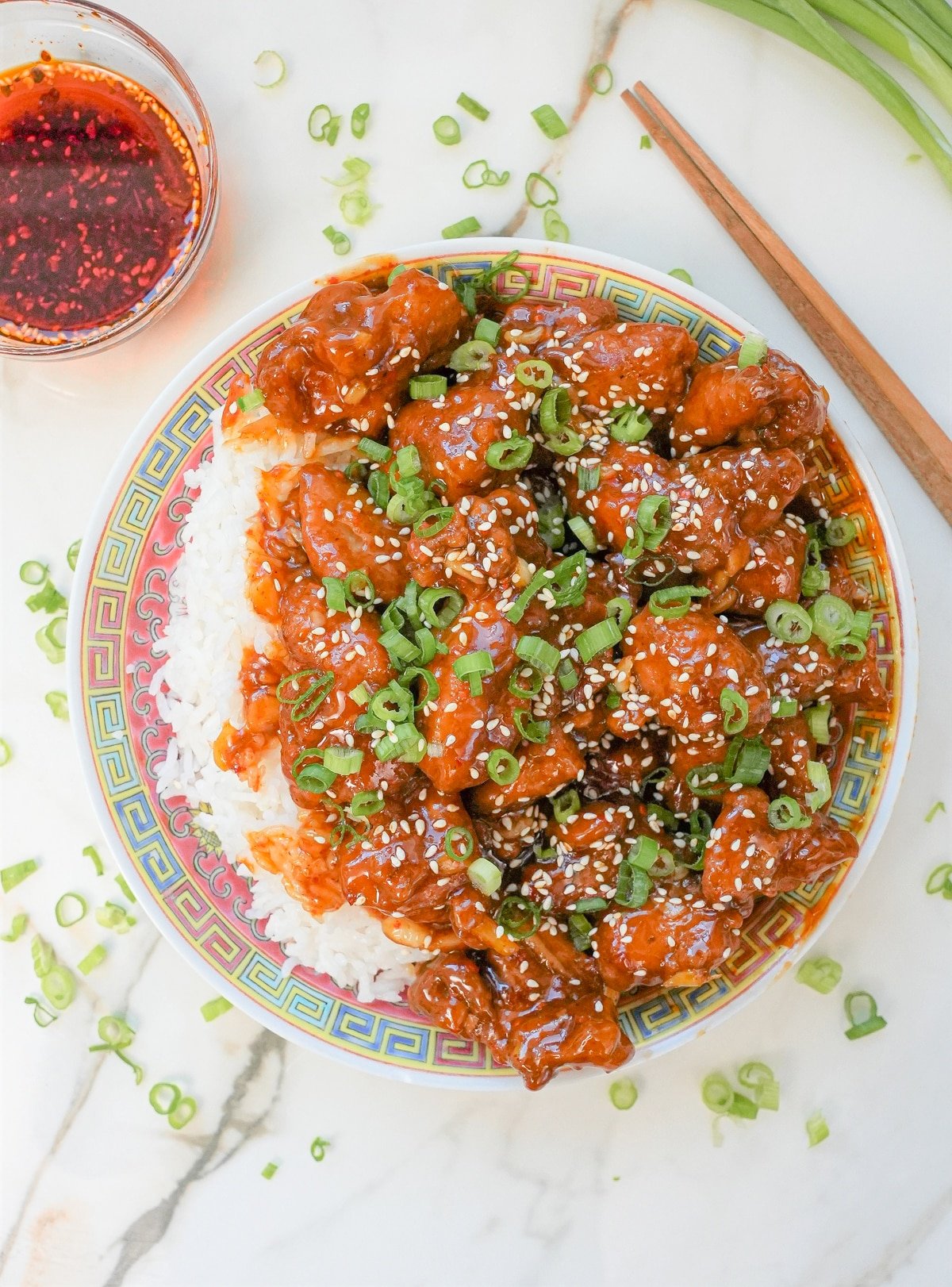
Mastering General Tso's: Authentic Restaurant Flavor at Home
General Tso's Chicken. Just hearing the name conjures images of crispy, succulent chicken bathed in a glossy, vibrant sauce, often nestled next to bright green florets of broccoli. It’s a takeout staple, a Friday night ritual, and for many, the quintessential Chinese-American dish. Yet, as beloved as this dish is, the reality often falls short of the ideal. Too often, we're presented with overly sweet, gloopy sauces and soggy, bland chicken that barely resembles the restaurant-quality experience we crave. But what if you could recreate that authentic, intensely flavored General Tso's Chicken in your own kitchen? It’s not just possible; it’s an incredibly rewarding culinary journey.The Enduring Appeal of General Tso's Chicken
The allure of General Tso's Chicken is undeniable. It hits all the right notes: the satisfying crunch of perfectly fried chicken, the complex interplay of sweet, sour, and subtly spicy flavors in its signature sauce, and the fresh, verdant counterpoint of steamed broccoli. This symphony of textures and tastes has cemented its place as a comfort food icon across America. Despite its commonality, a truly well-executed General Tso's can elevate a simple meal into an unforgettable feast. The secret lies in understanding its components and respecting the techniques that make it sing. It’s about moving beyond the mediocre takeout versions and embracing the potential for culinary excellence at home.Unraveling the Mystery: The True Story Behind General Tso
Before we dive into the cooking, let's peel back the layers of history surrounding this fascinating dish. The name "General Tso" refers to Zuo Zongtang (1812–1885), a revered military leader from Hunan province during China’s Qing Dynasty, known for his distinguished military campaigns. However, the dish itself has no historical or culinary connection to him or traditional Hunan cuisine, which tends to be drier, spicier, and far less sweet than its Americanized namesake. The actual invention of General Tso's Chicken is widely attributed to Chef Peng Chang-kuei. A native of Hunan province, Chef Peng fled to Taiwan during the Chinese Civil War. It was there, in 1955, that he reportedly created the dish for a banquet honoring a visiting American military official. His original rendition was said to be savory and spicy, quite different from the sweet version we know today. The dish found its way to the United States when Chef Peng opened his own restaurant in New York City in the 1970s. Its widespread popularity, however, truly took off after his apprentice, Chef T.T. Wang, adapted and introduced a sweeter, more accessible version to American palates. This evolution highlights General Tso's Chicken as a distinctly Chinese-American creation, a culinary bridge between two cultures. For a deeper dive into its captivating origins, explore The True Story of General Tso's Chicken: Origins & Recipe.Why Most Takeout General Tso's Falls Short (and How to Avoid It)
It’s an unfortunate truth that many restaurants, particularly takeout joints, often compromise on quality when it comes to General Tso's Chicken. The result? A disappointing experience characterized by:- Sugary, Gloopy Sauce: Overly sweet and thick, lacking the nuanced balance of sweet, tangy, and spicy that defines a great General Tso's. It often coats the chicken in a heavy, syrupy layer.
- Soggy Batter and Questionable Chicken: Instead of crispy, juicy chicken, you might find pieces encased in a thick, greasy batter that’s more filler than fowl. The chicken itself can be dry or rubbery, sometimes consisting of more batter than actual poultry.
- Lack of Freshness: Broccoli might be overcooked and bland, or sometimes even omitted entirely, leaving the dish without its essential fresh counterpoint.
Mastering the Art: Key Elements of an Authentic General Tso's
Achieving that restaurant-quality General Tso's at home is about understanding and executing a few critical components with care.The Chicken: Crispy, Juicy Perfection
The foundation of an outstanding General Tso's is the chicken itself. Forget the dried-out breast meat; dark meat chicken thighs are non-negotiable. Their higher fat content ensures they remain incredibly juicy even after deep frying. Cut them into generous, bite-sized chunks for a satisfying mouthful.
The secret to that coveted crunch lies in the batter and the frying method. A light, airy batter – often a mix of cornstarch, flour, and sometimes a touch of baking soda – is key. It should cling to the chicken but not overwhelm it. For ultimate crispness, consider a double-fry method: fry the chicken once until lightly golden, remove it, allow it to rest for a few minutes, then fry it again at a higher temperature until deeply golden and incredibly crispy. This technique drives out excess moisture, creating an unbeatable texture that stands up to the sauce.
The Sauce: A Symphony of Sweet, Tangy, and Spicy
This is where the magic truly happens. A great General Tso's sauce is a delicate balance, not an overpowering sugar bomb. Key ingredients include:
- Soy Sauce: Provides the savory, umami base.
- Vinegar: Rice vinegar is common, offering a bright, tangy counterpoint to the sweetness.
- Sugar: Brown sugar or granulated sugar, carefully measured to avoid excessive sweetness.
- Chili Peppers: Dried red chilies are traditional, providing a subtle, adjustable heat. You can also use a pinch of red pepper flakes.
- Aromatics: Fresh ginger and garlic, finely minced, are essential for depth of flavor.
- Thickener: A cornstarch slurry is used to achieve that signature glossy, clingy texture. The goal is a sauce that coats the chicken beautifully without being gloopy.
The sauce should be cooked down just enough to thicken, allowing the flavors to meld and intensify. Tasting and adjusting as you go is crucial here – you’re aiming for harmony.
The Broccoli: A Fresh, Nutritious Balance
Often an afterthought, fresh, crunchy broccoli is vital. It provides a welcome contrast to the richness of the chicken and sauce. Lightly blanched or steamed until tender-crisp, it adds not only texture but also a vibrant green color and a dose of freshness that brightens the entire dish.
Deep Frying: The Way to Go
While some recipes might suggest baking or pan-frying, deep frying is the traditional and superior method for General Tso's Chicken. It's what gives the chicken its characteristic texture – uniformly crispy exterior with a juicy interior. Don't be intimidated by deep frying; with a proper thermometer and a sturdy pot, it's manageable. Maintain a consistent oil temperature (around 350-375°F or 175-190°C) and don't overcrowd the pot to ensure even cooking and crispness.
