General Tso's Chicken: Why America Loves This 'Chinese' Classic
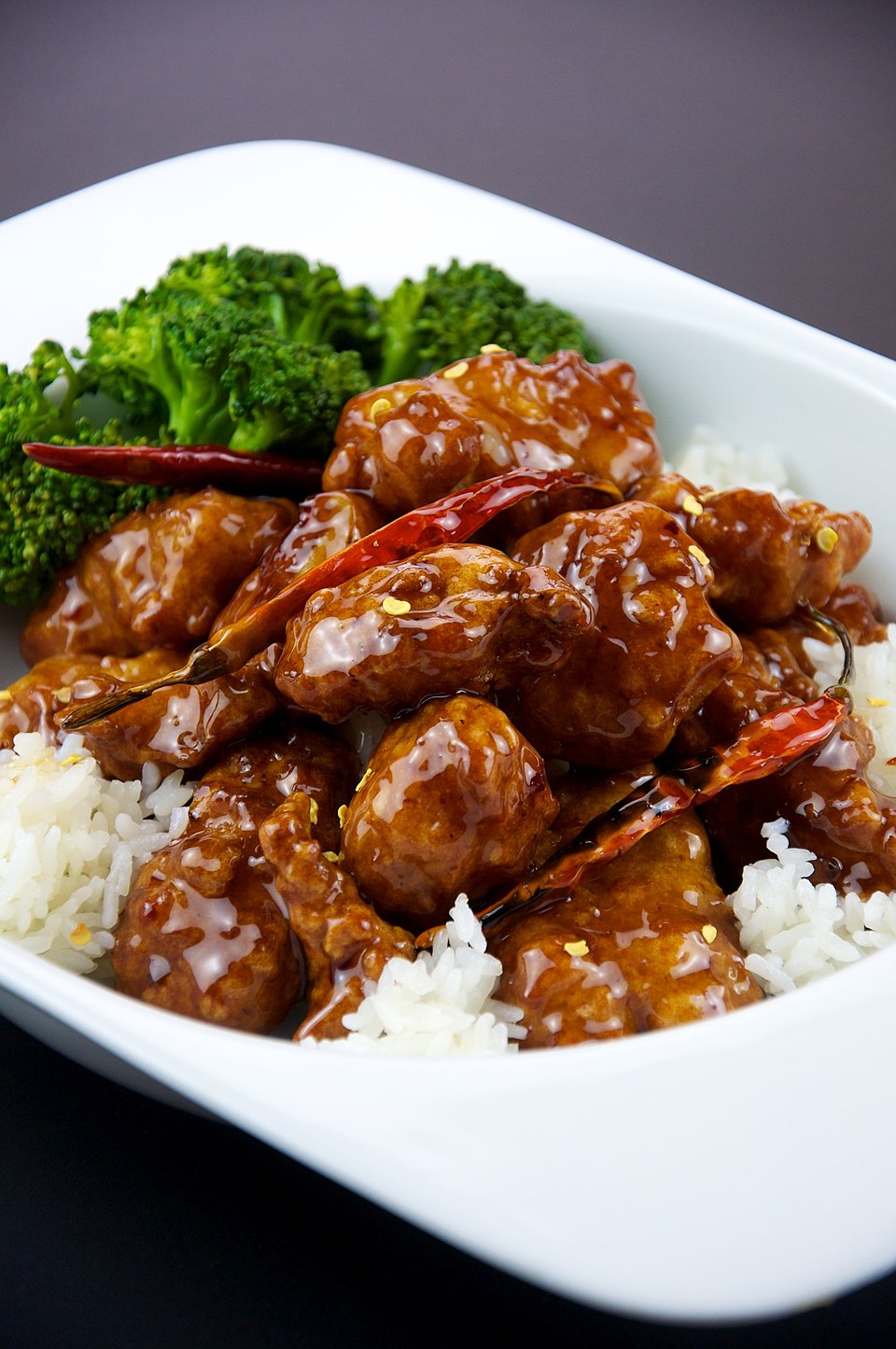
Few dishes command such a passionate following, or provoke such culinary debate, as General Tso's Chicken. For many Americans, it's the quintessential Chinese takeout experience: crispy, succulent pieces of deep-fried chicken bathed in a glossy, irresistible sauce that balances sweet, savory, tangy, and a hint of spice. Typically served alongside bright green broccoli and fluffy white rice, it's a comfort food icon that has cemented its place in the national palate.
Yet, for all its widespread adoration, General Tso's Chicken remains an enigma. Often presented as a pillar of Chinese cuisine, it's a dish rarely found, let alone recognized, in China itself. This paradox lies at the heart of its fascinating story and enduring appeal. It's a testament to the evolving nature of food, culture, and immigration, becoming a beloved 'Chinese' classic that is, in fact, distinctly American in its journey.
The Enigmatic Origins of General Tso's Chicken
The tale of General Tso's Chicken is as rich and layered as its sauce, a captivating blend of historical figures, culinary innovation, and cross-cultural adaptation. Despite its formidable name, the dish has no historical connection to General Zuo Zongtang (or General Tso), a renowned military leader from Hunan province during the Qing Dynasty (1812–1885). While the name certainly lends a sense of grandeur and ancient lineage, the real story is far more recent and rooted in the mid-20th century.
The culinary genesis of General Tso's Chicken is widely attributed to the legendary Taiwanese chef, Peng Chang-kuei. A native of Hunan himself, Chef Peng fled to Taiwan during the Chinese Civil War. In 1955, he reportedly created the dish for a banquet honoring a visiting American military official, crafting something new and appealing that still hinted at his Hunanese roots, albeit with a sweeter, more saucy profile than traditional Hunan cuisine, which is known for its dry-fried and intensely spicy flavors.
It was in the United States, however, that General Tso's Chicken truly soared to fame. Chef Peng himself opened restaurants in New York, introducing his creation to an eager American public. But it was his apprentice, Chef T.T. Wang, who is often credited with adapting the dish further in the 1970s, making it sweeter and perhaps more familiar to American tastes, cementing its place on Chinese restaurant menus across the country. From these beginnings, a culinary star was born, evolving into the sweet, tangy, and subtly spicy icon we know today.
What Makes General Tso's So Irresistible?
The universal appeal of General Tso's Chicken lies in its masterful combination of textures and flavors, hitting all the right notes for a satisfying meal. It's a symphony of contrasts that few other dishes can replicate with such consistent delight:
- Crispy, Juicy Chicken: The foundation of any good General Tso's is perfectly deep-fried dark-meat chicken. The initial high-heat frying creates a wonderfully crisp, golden-brown exterior, while sealing in the moisture, ensuring the chicken remains tender and juicy on the inside. This textural crunch is paramount and often what separates a mediocre version from an exceptional one.
- The Iconic Sauce: This is where the magic truly happens. A well-crafted General Tso's sauce is a complex blend of sweet (sugar), tangy (vinegar), savory (soy sauce), and a gentle heat (often from dried chili peppers). It's thick and glossy, coating each piece of chicken without overwhelming it, creating a perfect balance that keeps you coming back for more. The subtle spice provides a pleasant warmth rather than an overpowering burn, making it accessible to a wide audience.
- Crunchy Broccoli: Often overlooked, the bright green, slightly crisp broccoli florets are more than just a garnish. They provide a crucial textural counterpoint to the fried chicken and a refreshing break from the rich sauce, adding an important vegetable component to the dish.
- Umami Depth: Beyond the primary sweet-tangy-spicy notes, a good General Tso's sauce also carries a deep umami flavor, thanks to ingredients like soy sauce, often balanced with a touch of ginger and garlic, adding an incredible depth that elevates the entire experience.
This harmonious blend of textures and tastes creates a dish that is deeply comforting, incredibly flavorful, and undeniably addictive, explaining why it has captured the hearts (and stomachs) of millions across America.
The General Tso's Dilemma: Why Many Versions Fall Short
Despite its potential for deliciousness, the truth is that not all General Tso's Chicken is created equal. The dish's popularity has, ironically, also led to a proliferation of versions that often fall far short of its true potential. This "General Tso's Dilemma" is a source of frustration for aficionados and contributes to the misconception that the dish is inherently unhealthy or unrefined.
Common pitfalls include:
- Overly Sugary and Gloopy Sauce: One of the most frequent complaints is a sauce that is excessively sweet, lacking any nuanced tang or spice. It can also be overly thickened with cornstarch, resulting in a cloyingly syrupy, almost gelatinous texture that suffocates the chicken rather than complementing it. This often happens when restaurants prioritize speed and cost over quality, opting for pre-made, sugar-laden bases.
- Soggy, Batter-Heavy Chicken: Another major letdown is chicken that is poorly fried. Instead of a crisp, light coating, you might encounter a thick, doughy batter that absorbs too much oil, becoming soggy quickly. Worse still, the chicken inside might be sparse or of questionable quality, sometimes resembling "batter-coated sponges" rather than actual poultry. This often stems from heavy reliance on fillers like excessive egg, cornstarch, and flour in the breading, or improper frying techniques.
- Lack of Flavor Balance: A truly great General Tso's sauce achieves a delicate balance between its sweet, sour, and spicy elements. Many sub-par versions fall flat, being either too sweet, too vinegary, or completely devoid of any chili warmth, resulting in a one-note flavor profile that quickly becomes tiresome.
These issues often arise from a combination of factors: the pressure to produce dishes quickly and cheaply, a lack of adherence to traditional (or even adopted-traditional) techniques, and perhaps a catering to a perceived lowest common denominator in taste. The result is a dish that, while still bearing the name, fails to do justice to the culinary artistry behind a properly executed General Tso's Chicken.
Craving the Right General Tso's: Tips for Enjoying This Classic
So, how does one navigate the minefield of mediocre takeout to find or create a truly excellent General Tso's Chicken? It begins with an appreciation for what makes the dish special and a willingness to seek out quality.
Finding an Excellent General Tso's at a Restaurant:
- Look for Reputable Establishments: Seek out Chinese restaurants known for their fresh ingredients and culinary integrity. Ask for local recommendations or check online reviews focusing on dish quality rather than just speed.
- Observe the Sauce: A good General Tso's sauce should look rich and glossy, not neon orange or unnaturally thick. It should cling to the chicken, but not pool excessively at the bottom of the container.
- Prioritize Texture: Pay attention to the chicken. It should be crisp on the outside and tender within, with a visible piece of poultry in every bite. Avoid places where the chicken seems uniformly shaped or excessively breaded.
Mastering General Tso's at Home:
For those who prefer to take matters into their own hands, making General Tso's Chicken at home offers the ultimate control over ingredients and technique. This is where you can truly appreciate the dish when it's done right, transforming a takeout staple into a gourmet experience.
- Embrace Deep Frying: While baking or pan-frying might seem like healthier alternatives, the consensus among professional chefs is that deep frying is essential for achieving the signature crispy texture. Use a neutral oil with a high smoke point and ensure it's at the correct temperature (around 350-375°F or 175-190°C).
- Quality Chicken Matters: Opt for boneless, skinless dark meat chicken (like thighs) for maximum juiciness and flavor. Cut it into substantial, uniform pieces for even cooking.
- Balance the Sauce: Experiment with your sauce ingredients – typically soy sauce, rice vinegar, sugar, chicken broth, a touch of sesame oil, ginger, garlic, and dried red chilies. The goal is a perfect equilibrium of sweet, sour, savory, and spicy. You can adjust the heat level by varying the amount of chili peppers.
- Don't Skimp on the Broccoli: Fresh, vibrant broccoli florets, quickly blanched or steamed, add color, crunch, and nutritional value.
By following these guidelines, you can elevate your General Tso's Chicken experience from a mere takeout order to a genuinely delightful meal. For detailed instructions and tips to achieve that perfect restaurant-quality flavor, explore resources like Mastering General Tso's: Authentic Restaurant Flavor at Home.
Conclusion
General Tso's Chicken is more than just a dish; it's a cultural phenomenon, a testament to culinary fusion, and a comfort food par excellence. Its journey from a Taiwanese banquet to an American takeout staple speaks volumes about how food evolves to fit new palates and environments. While its origins may be debated and its execution often inconsistent, when done correctly, this 'Chinese' classic delivers an unforgettable sensory experience. It's a dish that embodies the sweet, spicy, and satisfying complexity of the American culinary landscape, and for that, it will continue to be cherished and loved by generations to come.
